

Beneath the rolling plains of Mulgore and the icy expanses of Northrend, Azeroth’s soil guards secrets as old as the world itself. You stand on the precipice of discovery, armed with a trowel and an insatiable curiosity for the hidden histories that lie beneath your feet.
As a budding archaeologist, you’ll learn to discern the whisper of a relic from the silence of the dirt, to exhume without erasing the delicate narrative etched in time. The artifacts you’re about to encounter are not mere trinkets; they’re echoes of ancient civilizations, each piece a chapter in a saga that spans millennia.
Yet, as you prepare to brush away the centuries, consider this: what truths do these remnants hold, and how might the shadows of the past shape the future of Azeroth? The answers await, buried just out of sight, beckoning you to uncover what has been lost to the ages.
Understanding Archaeology Basics
To grasp the fundamentals of archaeology in Azeroth, you’ll first need to familiarize yourself with the basic tools and methods used to unearth its ancient artifacts. Archaeology isn’t just a pastime in Azeroth; it’s a way to delve into the rich histories of the alliance and horde, uncovering relics that whisper tales of the past. You’ll be venturing across continents, from the ruins of human kingdoms to the mystical lands of the blood elves, seeking fragments that piece together the narratives of fallen empires and bygone battles.
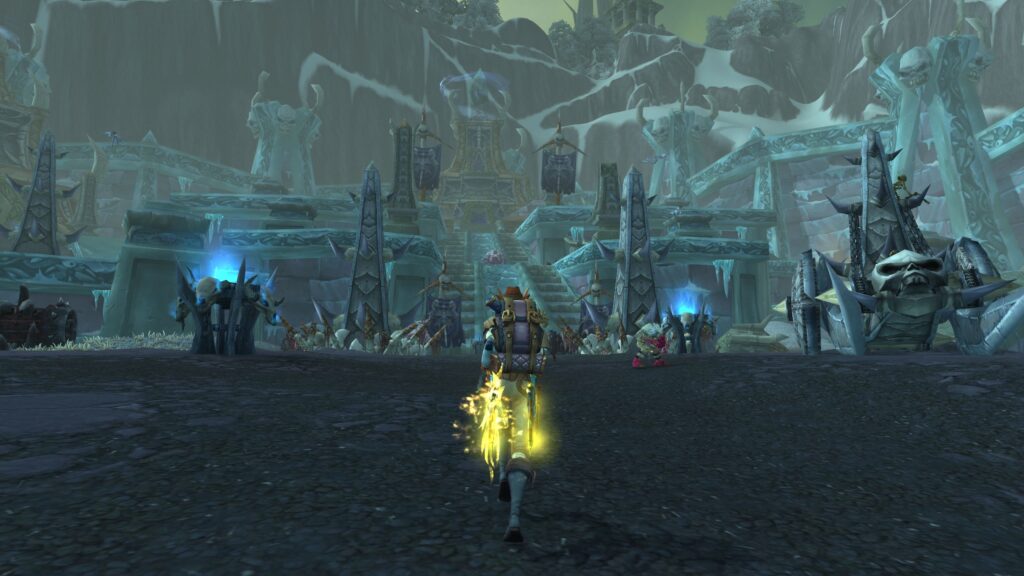
Before you set out, you must learn the lay of the land. You’ll need a keen eye to spot dig sites, marked by their subtle shimmer against the landscape. Each dig site in Azeroth, whether it’s nestled within the bustling capital city or hidden near the ominous dark portal, holds clues to the chronicles of ancient civilizations.
As you collect artifacts, you’re not just a treasure hunter; you’re a preserver of history, connecting dots from the age-old conflict between alliance and horde to the events that shaped the world you navigate today. Remember, each swing of your shovel uncovers more than just dirt—it reveals the legacy of Azeroth itself.
Excavation Sites and Digging
Once you’ve located a dig site in Azeroth, you’ll need to use your surveying skills to uncover the hidden artifacts buried beneath the surface. Equip your trusty Survey tool, which’ll guide you to where you should start digging. You’ll see a light that indicates the direction and the distance to the artifact. A red light means you’re far away, yellow is closer, and green signals you’re very close.
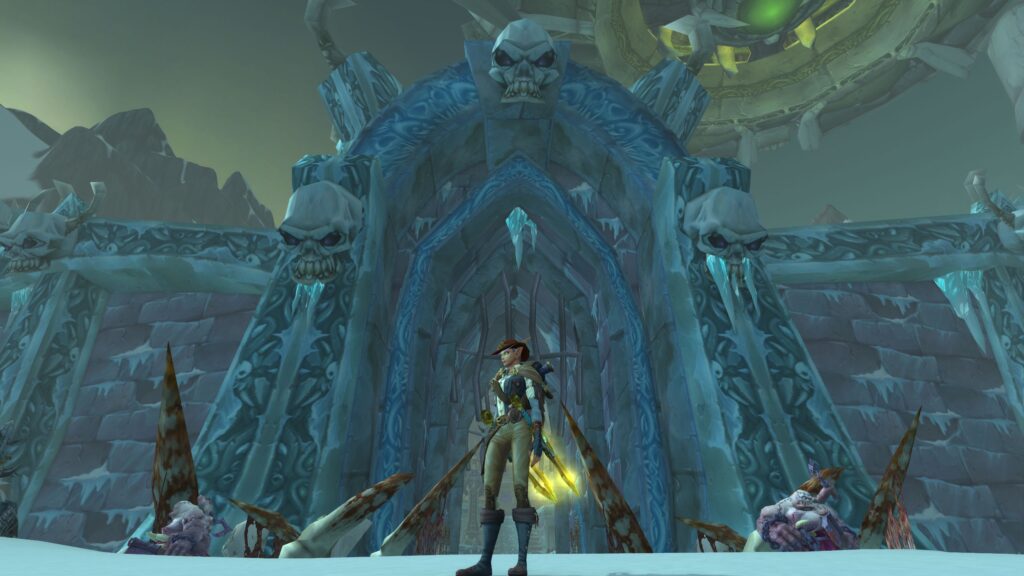
As you hone in on your target, you’ll plant flags to mark your progress. It’s a bit of a mini-game, where you interpret the survey tool’s feedback to zero in on your precious find. Don’t worry if it takes a few tries; even seasoned archaeologists need patience to pinpoint the exact spot.
Once you’ve found the right location, it’s time to dig. You’ll unearth fragments and sometimes a keystone that’ll help you solve the artifact faster. Remember, each dig site allows for a limited number of digs before it’s tapped out, so make each one count. After you’ve collected enough fragments, you’ll piece together artifacts that tell the stories of Azeroth’s past and sometimes grant you unique items or buffs. Get ready to dig deep and uncover history!
Identifying and Handling Artifacts
After carefully excavating fragments, you’ll need to identify and handle your newfound artifacts with care to ensure their historical value is preserved. Begin by gently brushing off the dirt using soft-bristled brushes. It’s crucial to avoid harsh cleaning chemicals that can damage the relic’s integrity.

Once you’ve cleared the debris, examine the artifact’s shape, material, and any markings. These details can hint at the object’s purpose and origin. You might come across runes on a stone tablet or the remains of weapons and pottery. Each of these discoveries contributes to understanding Azeroth’s complex history.
To properly handle artifacts, always wear gloves to prevent the oils from your skin from corroding the materials. Support the item from the base rather than grasping it from potentially weaker points that could break off. If you’re dealing with larger relics, utilize appropriate lifting techniques or equipment to avoid causing stress fractures.
The Lore of Azeroth’s Races
Understanding the physical remnants of Azeroth’s cultures leads us to the rich tapestry of lore behind the races that shaped these artifacts. As you delve into the history of Azeroth, you’ll find that each race has left its mark, from the enigmatic titans to the nomadic trolls. The titans, colossal beings of metal and magic, crafted the very bones of the world. Their legacy is etched in the grand structures and mysterious Titan artifacts scattered across the landscape.
Dwarves, with their stout hearts and love of the forge, have dotted the mountains with their intricate stonework and metalcraft. You can’t miss the significance of their runic tablets, which offer a glimpse into their stout clans and ancient lineage. The elegant night elves, keepers of nature and magic, have left behind a trove of relics that speak of their reverence for the natural world and the arcane energies that pulse through it.
Every shard you uncover tells a story, whether it’s the orcs’ war-torn heritage seen in their brutal weaponry or the gnomes’ ingenuity reflected in their whimsical yet potent devices. Your journey into Azeroth’s archaeology isn’t just about the dig; it’s about piecing together the saga of civilizations, understanding their struggles, triumphs, and the enduring legacies they’ve bestowed upon the world.
Advanced Excavation Techniques
To unearth Azeroth’s ancient artifacts with precision, you’ll need to master advanced excavation techniques that go beyond basic digging. Your goal is to preserve the integrity of the relics and the surrounding context, which holds invaluable information about the ancient cultures of Azeroth.
Firstly, you’ve got to employ careful stratigraphic excavation. This means you’ll remove soil layer by layer, noting the color and texture changes, which can indicate human activity or natural events. You’ll document each layer’s findings meticulously, as they reveal the chronological sequence of the site.

Next, you should utilize site surveys and remote sensing before you even break ground. These non-invasive methods, including ground-penetrating radar and aerial photography, help you pinpoint the most promising dig locations. You’ll save time and avoid unnecessary disturbance to the site.
Once you’re ready to dig, use specialized tools like trowels, brushes, and dental picks for delicate work. You’ll gently free artifacts from their resting places, ensuring they’re not damaged in the process.
Lastly, always consider environmental factors. Changes in temperature and humidity can wreak havoc on unearthed artifacts. You’ll need to plan for immediate preservation measures, such as climate-controlled storage, to protect your discoveries for future study.
Conclusion
As you brush away the last grains of dirt, Azeroth’s ancient history whispers to you. Imagine holding a weathered relic, the craftsmanship of ancient races etched into its surface. Feel the thrill as you piece together the past, a tale of battles and alliances.
With every artifact unearthed, you’re not just digging up items; you’re reviving stories. So keep delving deep—Azeroth’s secrets await your discovery, and its ancient lore is yours to preserve.
Also you can Buy Cataclysm Gold for effortlessly experience!





Leave a Reply