

Introduction: Crafting in WoW – A Vital Part of Azeroth
Since *World of Warcraft* was first released, crafting has played an essential role in the game. From the very beginning, crafting professions allowed players to create items that were necessary for progression, whether it be potions for raiding, armor for battles, or weapons for fighting foes. Over the years, crafting in WoW has undergone significant changes, transforming from simple recipes into a more complex and specialized system. In this article, we will explore how WoW’s crafting system has evolved, from the early days of basic recipes to the current specialization-based approach, and how these changes have impacted gameplay and the economy of Azeroth.
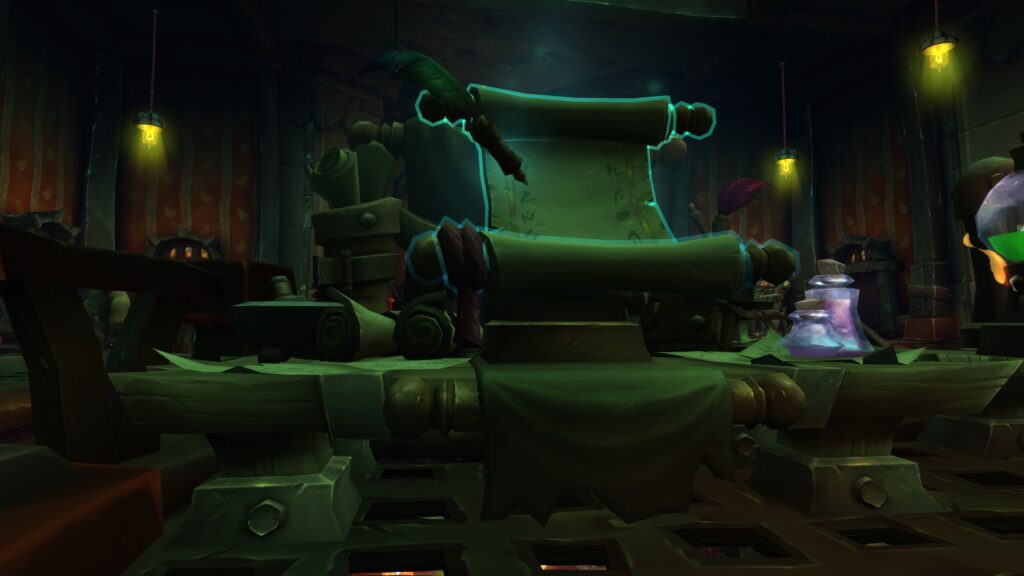
Early Days: Crafting for Survival
When WoW first launched in 2004, crafting professions were relatively straightforward. Players could choose from a variety of crafting professions like Blacksmithing, Tailoring, and Alchemy, but the system was much simpler than what we see today. The focus was largely on creating gear, potions, and materials to assist with progression, and crafting was often a necessity for surviving in the harsh world of Azeroth.
The Simplicity of Early Crafting
- Basic Recipes – Crafting in the early days was driven by simple recipes that required materials gathered from the world. Players would gather resources like ores, herbs, and skins to create basic consumables or gear.
- Limited Specialization – While there were multiple crafting professions, there was little specialization within them. Players could generally create most items within their chosen profession, with little focus on sub-categories or advanced skills.
- Useful but Simple – Crafting wasn’t as intricate as it is today, but it was still important for producing necessary items like bags, potions, and low-level armor to support progression in early content.
The Burning Crusade: The Introduction of Advanced Crafting
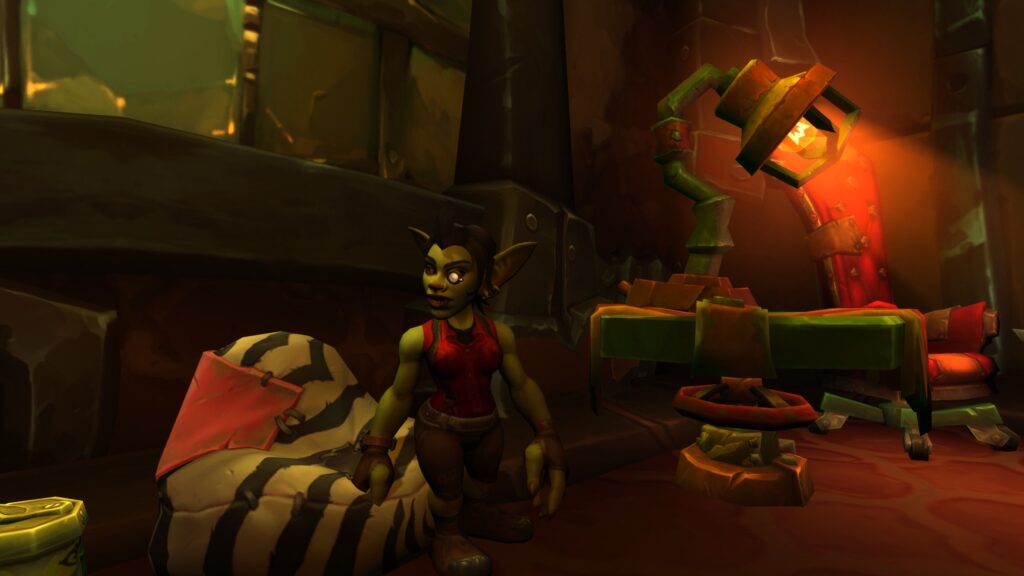
With the release of *The Burning Crusade* in 2007, crafting underwent its first major overhaul. This expansion introduced new crafting recipes, powerful gear, and the concept of crafting specialization. Players could now further hone their skills in particular areas of crafting, adding an additional layer of depth to the profession system.
New Features in The Burning Crusade
- Specialization Paths – Professions like Blacksmithing and Leatherworking introduced specialization options, such as becoming an “Armorsmith” or “Weaponsmith” in Blacksmithing. These specializations allowed players to create unique, high-end items tailored to specific roles.
- High-Quality Crafted Gear – With the introduction of new content and higher-level raids, the demand for high-quality crafted gear also increased. Crafters could now make more powerful items, especially for players at the endgame stage.
- Recipe Discovery – Instead of simply acquiring recipes from trainers, players had to discover rare recipes by exploring the world or earning reputation with factions. This made crafting feel more like an adventure.
Wrath of the Lich King: The Rise of Professions as a Key Element
*Wrath of the Lich King* (2008) introduced even more complexity to WoW’s crafting system, particularly with the introduction of new crafting professions and further specialization. The expansion placed a greater emphasis on professions as an integral part of the game’s progression system.
Key Crafting Changes in Wrath of the Lich King
- Glyphs and Inscription – The new profession, Inscription, allowed players to create glyphs that modified a character’s abilities, adding a new layer of customization to characters’ playstyles.
- Legendary Crafting Materials – With the introduction of higher-level raids and the Lich King’s influence, crafting now included materials required for high-end gear, including the much-sought-after Legendary items like the *Shadowmourne* weapon.
- Mastery of Professions – Players began to specialize even further, with many professions offering unique endgame recipes that gave crafters a distinct edge, particularly in competitive markets like the Auction House.
Cataclysm to Mists of Pandaria: Specialization and Innovation
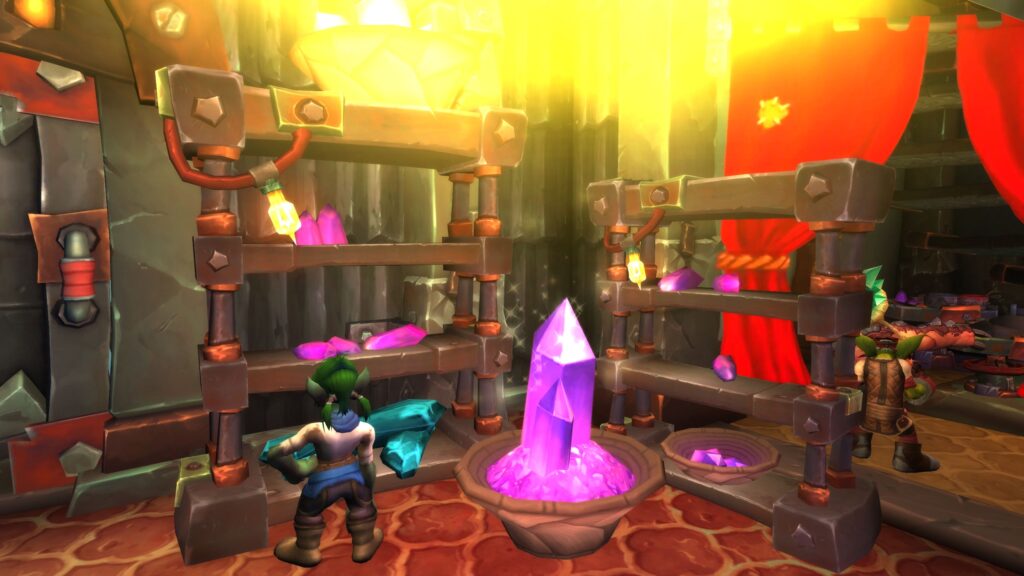
With *Cataclysm* (2010) and *Mists of Pandaria* (2012), crafting in WoW evolved into a much more complex system. Players could now focus even further on specific sub-professions, and new systems were introduced to encourage players to specialize deeply within their chosen crafting roles.
Crafting Innovations in These Expansions
- Crafting Reagents and Materials – The focus on rare materials and reagents increased during these expansions, making certain crafted items incredibly valuable. Reagents could be gathered from rare sources, and some items were tied directly to endgame progression.
- Transmogrification – The introduction of Transmogrification in *Cataclysm* allowed crafters to make cosmetic versions of high-level armor sets, creating a new market for stylish and collectible crafted items.
- Flexibility with Crafting – Players in *Mists of Pandaria* could focus on a variety of specialization paths, making crafting even more intricate and customizable to player preferences. Professions became integral to character growth, offering new ways to engage with the game’s economy.
Modern Era: Specializations and the Future of Crafting
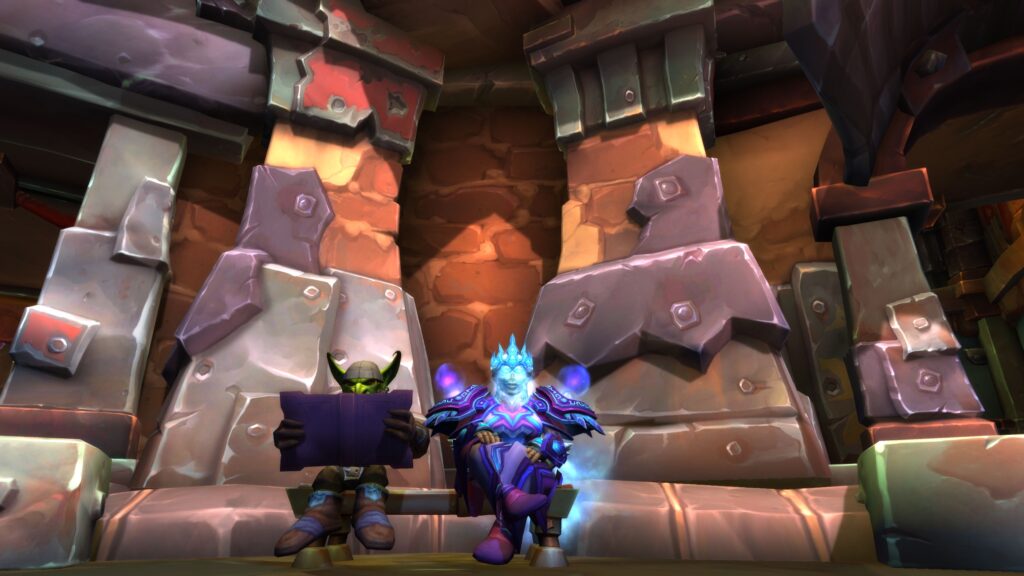
With the release of *Legion* (2016), *Battle for Azeroth* (2018), and *Shadowlands* (2020), crafting saw further refinements. Professions became even more specialized, with each expansion offering new ways for players to make powerful gear, consumables, and cosmetics that aligned with the game’s ever-expanding world.
Recent Crafting Changes
- Crafting Orders and Customization – In *Shadowlands* and beyond, Blizzard introduced crafting orders, where players could request specific crafted items from other players, allowing for a more player-driven economy and market.
- Endgame Crafting and Legendary Gear – More expansions focused on crafting high-end items like legendary gear, empowering players to use professions to enhance their in-game power. Crafting legendary gear became one of the central features of expansions like *Shadowlands*.
- Crafting as a Core Game System – Professions now serve as an essential part of the game’s endgame economy. Players who choose crafting as their primary activity are highly sought after for their ability to provide valuable resources and items.
Conclusion: The Future of Crafting in WoW
The crafting system in WoW has come a long way from its humble beginnings. What started as a way to make basic items and consumables has grown into a complex and highly specialized system that is essential to both the game’s economy and progression. As the game continues to evolve, crafting will undoubtedly remain a key feature, offering players a dynamic and rewarding system to explore. The future of crafting in WoW may continue to emphasize customization, personalization, and the ever-important link between crafting and progression. One thing is for certain: the evolution of crafting in WoW is far from over.
Home





Leave a Reply