
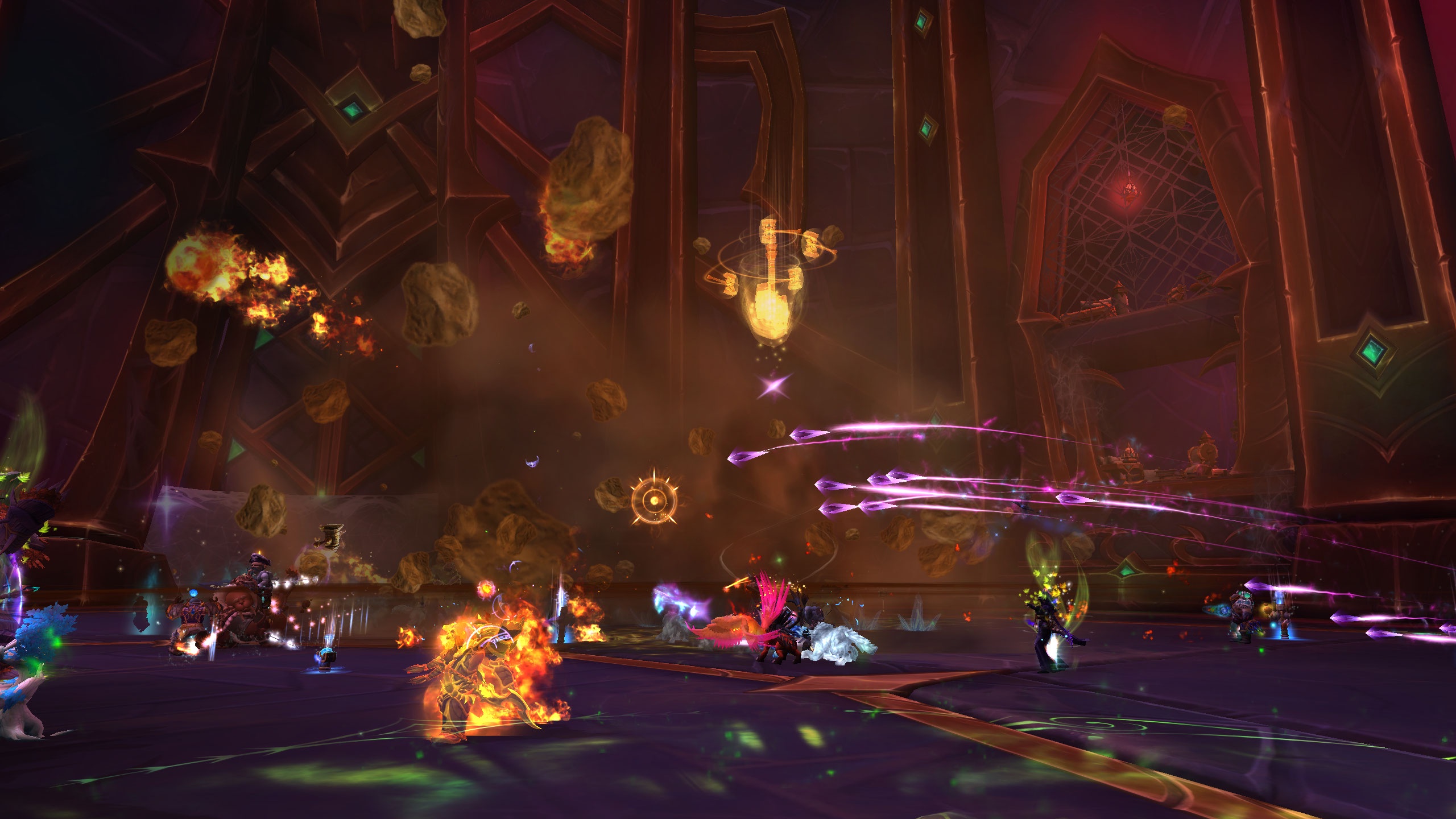
You might think you’ve got communication down, but even seasoned World of Warcraft raiders can benefit from revisiting key phrases that streamline teamwork. Sure, every raid leader’s got their own style, but there are universal terms that can transform chaos into coordination. Imagine a raid where everyone instantly responds to “Incoming AoE, spread out!” as if it’s second nature. How about the impact of clear role assignments like “Healer on main tank”? These aren’t just words; they’re the backbone of effective raiding. Curious about what other phrases can elevate your team’s performance?
Key Takeaways
- Use “Incoming AoE, spread out!” to warn about area damage.
- Say “Sheep the caster” to assign crowd control on a specific target.
- Announce “Switch to adds” when DPS should focus on additional enemies.
- State “Pop defensive cooldowns” to prepare for heavy incoming damage.
- Communicate “Heal priority: main tank” to assign healing focus.
Raid Role Clarifications
When you immerse yourself in a raid in World of Warcraft, understanding and clarifying your role is crucial for the group’s success. As a member of the raid team, knowing whether you’re a tank, healer, or damage dealer helps prevent chaos during challenging raids. Raid leaders rely on you to perform your assigned role effectively, especially in mythic raiding where precision is key. Clear communication about your role guarantees that everyone knows their responsibilities and can adapt strategies accordingly.
Experienced players will tell you that each role contributes uniquely to the raid’s overall performance. As a damage dealer, your primary task is to maximize damage output against enemies, allowing the raid team to progress faster. However, it’s important to remain aware of your surroundings and support your team when needed, such as interrupting enemy spells or assisting with crowd control.
Participating in challenging raids requires you to continuously improve your game experience. Learn from seasoned raid leaders and experienced players, observe their strategies, and apply those techniques to enhance your skills. Effective communication about your role not only boosts your performance but also contributes considerably to the raid’s success.
Boss Mechanics Alerts
Understanding your raid role is just the beginning; recognizing boss mechanics and alerting your team is equally important. In WoW raids, knowing how to communicate effectively about boss mechanics can make the difference between victory and defeat. Your raid guild relies on you to spot key mechanics and inform others in real-time. This maintains the delicate balance of the group isn’t disrupted, which is essential for success.
When you’re raiding, always keep an eye on the boss’s ability cast bar and any changes in the environment. If you notice a major ability about to go off, like a devastating AoE, call it out immediately. For example, saying “Incoming AoE, spread out!” helps the player base react swiftly. Use concise phrases to avoid confusion, guaranteeing everyone understands what action to take.
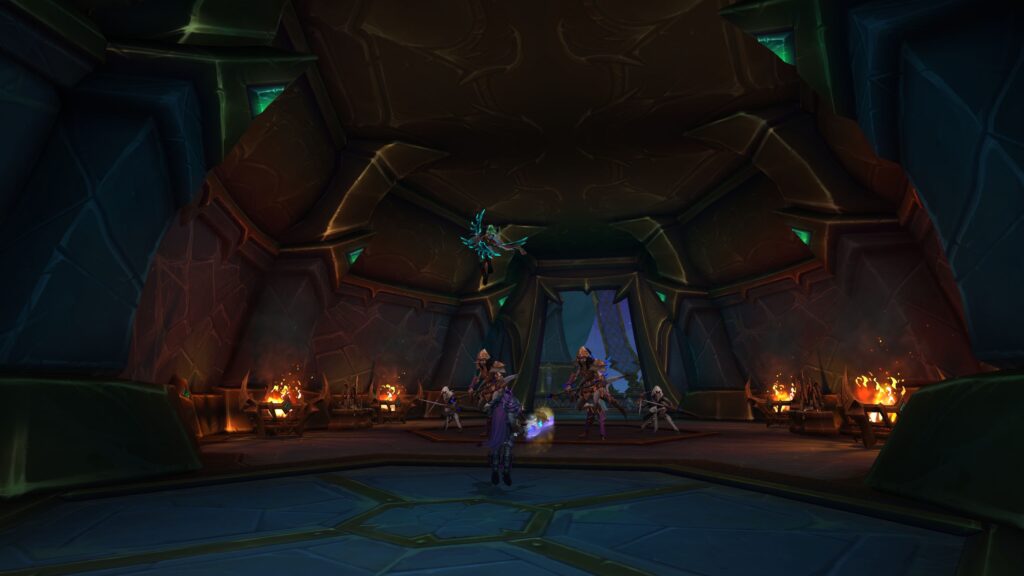
Additionally, knowing the mechanics beforehand and communicating them to new players in your raid guild is important. Before the fight starts, remind your group of specific mechanics that require quick responses. For instance, “Remember to stack at phase two change.” This preemptive communication helps minimize mistakes, maintaining the delicate balance needed for your team to succeed in WoW raids.
Crowd Control Coordination
Effective crowd control coordination can be the linchpin of a successful raid. When you’re in the heat of battle, knowing who’s responsible for crowd control can prevent chaos. Start by assigning specific players to handle different types of mobs. This means deciding who will use Polymorph, Hex, or other crowd control abilities. Communication is key—use phrases like “Sheep the caster” or “Trap the left add” to guarantee everyone knows their role.
Before the encounter, discuss cooldowns and crowd control abilities. Make certain everyone understands when and where to apply their skills. Use a raid-wide marker system to designate which targets need to be controlled and in what order. This visual aid helps everyone focus and reduces the chance of overlapping abilities, which can waste valuable seconds.
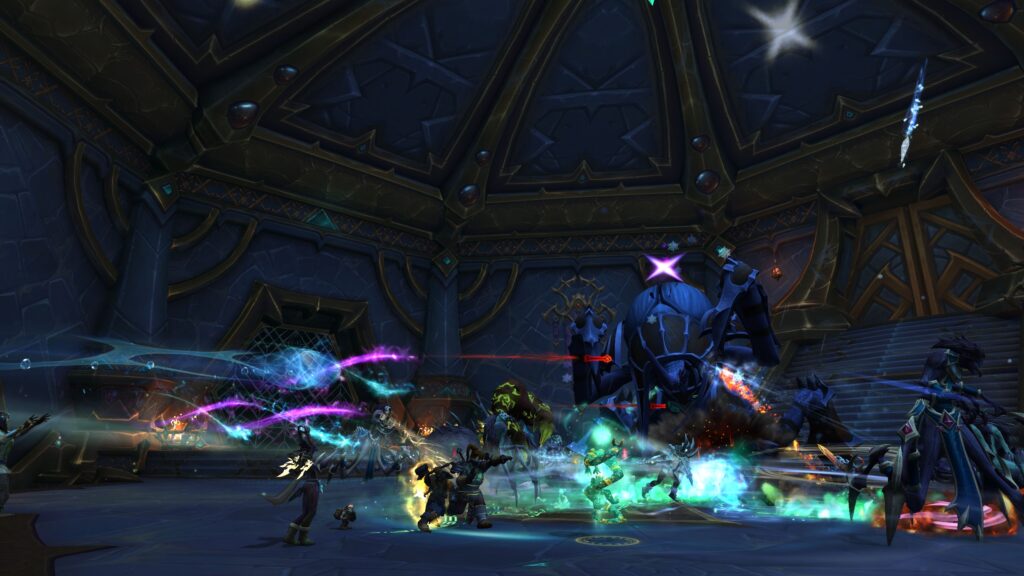
During the fight, stay flexible. Mobs can resist or break free prematurely, so be ready to adjust. If your target escapes, communicate quickly with phrases like “Breaking free!” or “Re-control needed!” This alerts the team to a potential threat. Remember, successful crowd control allows your DPS to focus on primary targets and helps healers manage resources more effectively. Keep communication clear and concise for the best coordination.
Healing Assignments
Healing assignments in a raid are essential for guaranteeing group survival and efficiency during encounters. As a healer, you’re responsible for coordinating with your team to manage health effectively. Assigning healers to specific roles or targets helps prevent overhealing and guarantees everyone gets the support they need. Use clear communication to designate who heals the tank, raid members, or special groups. Here’s a simple table to help organize assignments:
| Role | Healer Type | Key Responsibility |
|---|---|---|
| Main Tank | Dedicated Healer | Maintain tank health |
| Off-Tank | Hybrid Healer | Support off-tank |
| Raid Members | AoE Healer | Heal group damage |
| Special Cases | Utility Healer | Handle mechanics-specific tasks |
When planning healing assignments, consider the strengths and cooldowns of each healer class. For instance, assign a dedicated healer to the main tank, especially during high-damage phases. Hybrid healers can assist off-tanks or spot-heal raid members. AoE healers excel in managing group-wide damage, while utility healers can focus on specific mechanics requiring quick responses. Keep communication open and adapt to changes mid-fight to maintain effective healing. Remember, understanding your role, the encounter, and your team’s dynamics is key to mastering healing assignments.
Emergency Strategies
Next, designate a “backup leader” who can take over if the main leader is overwhelmed or incapacitated. This guarantees that communication continues without a hitch. Have your healers know when to use their cooldowns for mass healing, especially during high-damage phases. Using phrases like “Pop cooldowns now!” can save lives.
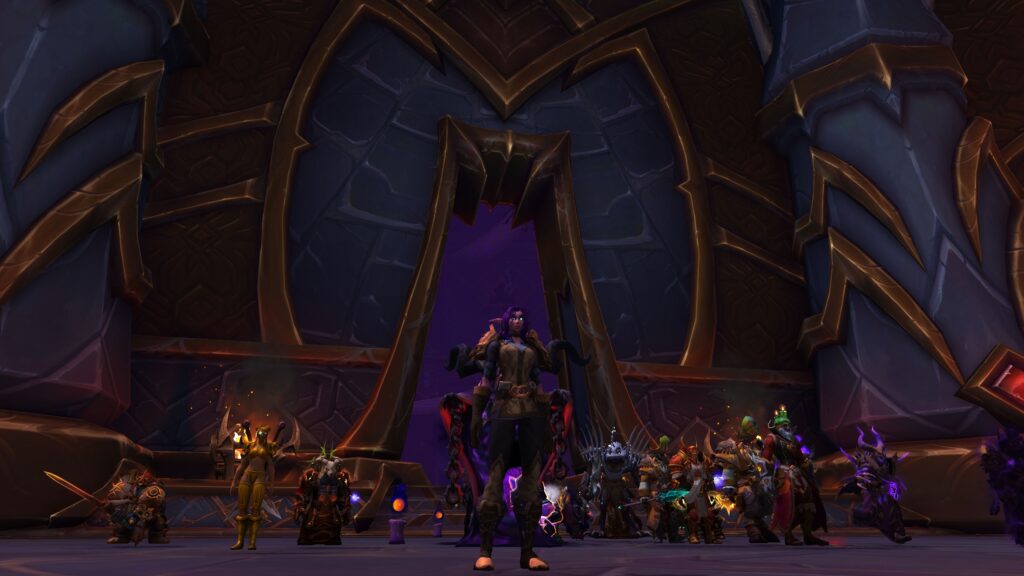
Additionally, make certain everyone understands their role if an emergency occurs. Tanks should know how to taunt off each other, and DPS should be aware of when to switch targets to handle adds. Encourage your team to call out their cooldowns and defensive abilities when used, so everyone is on the same page. By maintaining clear and concise communication, you can effectively manage emergencies and keep your raid on track toward success.
Frequently Asked Questions
How Can I Improve My DPS in Raids?
To improve your DPS in raids, focus on optimizing your rotation, using cooldowns effectively, and maintaining high uptime. Don’t forget to analyze logs, upgrade gear, and seek feedback from experienced players to refine your strategy.
What Is the Best Way to Manage Raid Consumables?
To manage raid consumables, you’ll want to stock up before raids, plan with your team, and set up a shared bank or guild vault. Communicate needs early, track usage, and always prepare extras for emergencies.
How Do I Deal With Raid Scheduling Conflicts?
Dealing with raid scheduling conflicts is like juggling flaming swords—tricky but manageable. Communicate openly with your raid leader, propose alternate times, and stay flexible. Prioritize commitments and utilize scheduling tools to find a balance that suits everyone.
Which Addons Are Essential for Raiding Efficiently?
You’ll want Deadly Boss Mods for alerts, WeakAuras for customizable notifications, and Details! Damage Meter for performance tracking. Don’t forget Exorsus Raid Tools for coordination and GTFO for avoiding damage. These addons guarantee efficient raiding.
What Is the Etiquette for Raid Loot Distribution?
You’re expected to understand your raid group’s loot system, whether it’s DKP, EPGP, or personal loot. Roll only when needed, respect others’ needs, and communicate politely if disputes arise. Don’t forget to thank the raid leader afterward!
Home


Leave a Reply